79 posts tagged with "Composting"

Composting life style

View All Tags

How Long Does Bokashi Take to Compost?

· 10 min read
Moore
Moore
Tech Writer, Meteorology Journalist, Gardening Lover

Introduction

Bokashi composting is often presented as a fast and convenient way to process kitchen scraps, especially in homes where space is limited or where conventional outdoor composting is impractical. Yet the question “How long does bokashi take to compost?” does not have a single simple answer unless the process is defined carefully.

In common usage, people often say that bokashi takes about two weeks. That statement refers only to the sealed fermentation stage after the bokashi bucket has been filled. In a fuller and more accurate sense, however, the fermented material usually needs another two to four weeks in soil, a trench, a soil factory, or an active compost system before it becomes fully integrated into the surrounding organic matrix. This means the complete Bokashi Composting Timeline is usually better described as a multi-stage process of roughly four to six weeks after the bucket is full, not merely a 14-day treatment.

This distinction matters because bokashi compost is often misunderstood. The material removed from a bokashi bin typically does not look like finished, crumbly, dark aerobic compost. It often still resembles the original scraps. That does not mean the process has failed. Rather, it reflects the fact that bokashi composting is based on fermentation in a low-oxygen environment, not on the same biological pathway as conventional hot composting.

A neutral explanation therefore needs to clarify three things at once: what bokashi is, what stage people are timing when they discuss bokashi, and why fermented bokashi material is not always identical to mature compost in the ordinary backyard sense. This article addresses all three points and explains the full Bokashi Composting Timeline in a reference-style format.

Bokashi Composting

How to Care For Hydrangeas And Change Their Colors

· 15 min read
Moore
Moore
Tech Writer, Meteorology Journalist, Gardening Lover

Introduction: The Magic of Hydrangeas

Have you ever walked past a stunning garden and noticed hydrangeas blooming in brilliant blues, soft pinks, and deep purples, sometimes all on the same plant? It looks like magic, but it's actually science.

Hydrangeas are nature's pH meter. These remarkable shrubs can change their flower colors based on the chemistry of your soil. For gardeners, this means you have the power to paint your garden in the colors you desire, simply by understanding and adjusting your soil's acidity.

But here's the catch: not all hydrangeas can change color. And even among those that can, the process requires patience, knowledge, and the right soil amendments.

In this comprehensive guide, we'll cover everything you need to know about how to care for hydrangeas and unlock their color-changing potential. You'll learn:

  1. Which hydrangea varieties can change color, and which cannot

  2. The science behind blue hydrangea flowers and pink hydrangeas

  3. How to create purple hydrangea blooms (the perfect middle ground)

  4. Natural methods using coffee grounds and eggshells to adjust soil pH

  5. How GEME Terra 2 transforms your kitchen scraps into powerful, soil-enhancing compost

Whether you're a seasoned gardener or just starting your hydrangea journey, this guide will give you the confidence to care for these magnificent plants and unlock their full color potential.

Blue Hydrangea Flowers

The Best Composter: Daily Operation Comparison (Lomi, Mill, Reencle, GEME)

· 19 min read
Moore
Moore
Tech Writer, Meteorology Journalist, Gardening Lover

Introduction: The Morning After Four Kitchens, Four Experiences

Picture this: It's 8 a.m. on a Tuesday.

Kitchen A: A Lomi owner wakes up to a countertop machine that finished its 5-hour cycle overnight. They open the lid to find fine, dry granules what Lomi calls "Lomi Earth." It looks like dirt, but they know it's not quite compost. They'll store it in a container until they can drop it off at a community garden.

Kitchen B: A Mill owner hears the soft whir of their floor-standing unit doing its morning grind. Last night's chicken bones, stale bread, and veggie peels have been transformed into dry "Food Grounds." They scoop some into a jar for the backyard compost pile; the rest will be bagged for Mill's mail-back service ($192/year).

Kitchen C: A Reencle user waves a hand to open the lid and adds coffee grounds to the warm, earthy-smelling medium inside. The microbes are already at work, and they know that in 24 hours, most of what they added will be broken down into something resembling real soil. They make a mental note: the carbon filter and mesh filter will need replacing in about 9–12 months, at a cost of roughly $47 combined.

Kitchen D: A GEME Terra 2 owner does exactly what they did yesterday: they kick the bottom-front panel to open the lid, toss in this morning's scraps, and close it. No measuring, no bagging, no storing. The machine runs continuously, quietly digesting waste. They haven't thought about filters or subscriptions in months, because there aren't any. They'll harvest rich, living compost from their 14L chamber in another few weeks.

The Best Composter: GEME Terra II

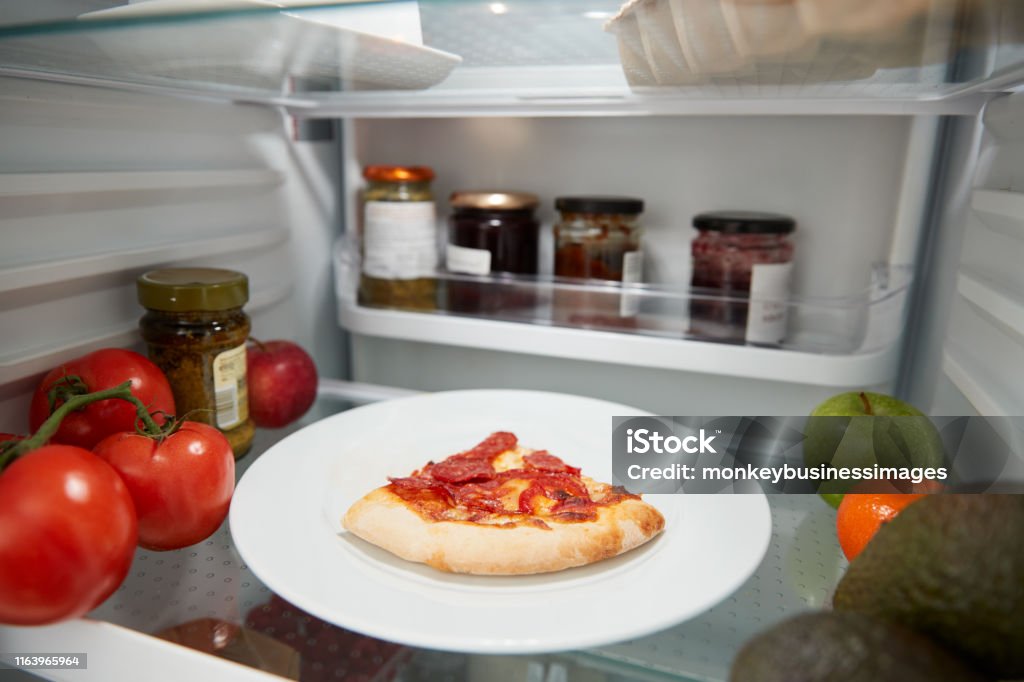
How Long Does Pizza Last In The Fridge? The Ultimate Leftover Safety Guide

· 14 min read
Moore
Moore
Tech Writer, Meteorology Journalist, Gardening Lover

Introduction: The Midnight Pizza

It's 2 a.m. You stumble to the fridge, pull open the door, and there it is—a cardboard box from three nights ago holding two glorious slices of pepperoni perfection. Your stomach growls. Your brain hesitates.

Is this still safe? How long has this been here? Was that Tuesday or Wednesday?

You're not alone. According to food safety experts, this scenario plays out in millions of kitchens daily. Pizza is America's most beloved leftover, but it's also one of the most confusing when it comes to storage timelines. One wrong guess, and you're either wasting perfectly good food or risking a date with food poisoning.

Here's the cold, hard truth: leftover pizza lasts 3 to 4 days in the refrigerator when stored properly. But that's just the beginning of the story. The type of toppings, how quickly it was refrigerated, and your storage method all affect that countdown clock.

Pizza Storage at a Glance: Quick Reference Table

Question Answer

QuestionAnswer
How long is pizza good for in the fridge?3–4 days
How long can pizza sit out?Max 2 hours (1 hour if above 90°F)
Best storage method?Airtight container in back of fridge
Can I store pizza in the box?No, cardboard traps moisture and odors
Signs of spoilage?Mold, slime, sour smell, discoloration
Best reheating method?Oven at 375°F for 8–10 minutes
Can I freeze pizza?Yes, up to 2 months
What to do with spoiled pizza?Compost it with GEME Terra 2

In this comprehensive guide, we'll answer every variation of "how long is pizza good for in the fridge" you can think of. We'll cover storage hacks, spoilage signs, and the best reheating methods. And for those inevitable times when you forget about that box until day 7? We'll introduce you to the GEME Terra 2, the world's first AI-powered kitchen composter that turns your wasted slices into living compost for your plants.

Let's settle the leftover pizza debate once and for all.

How Long Do Pizza Last In The Fridge Guide

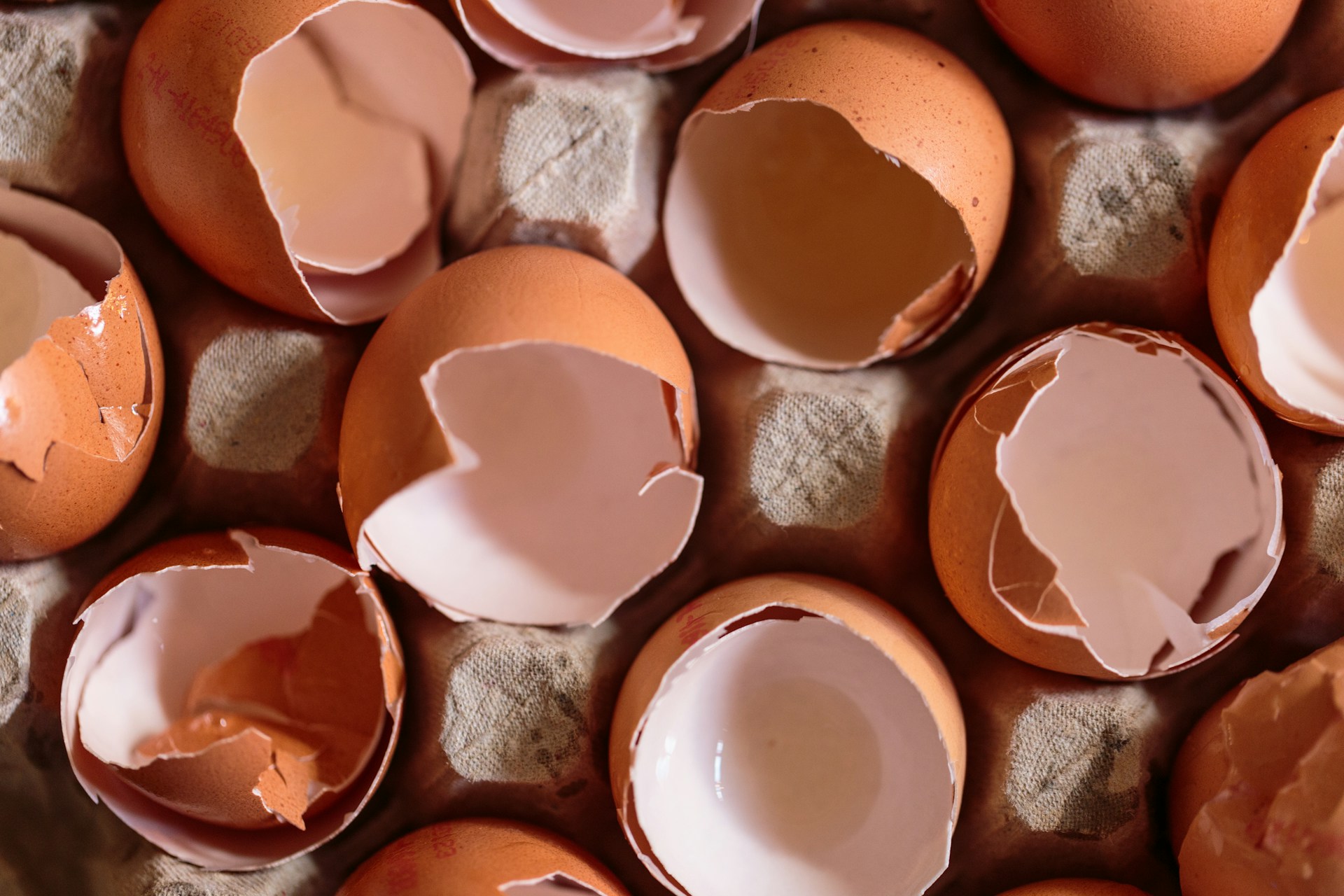
How to Compost Eggshells: The Ultimate Guide to Calcium Gold for Your Garden

· 14 min read
Moore
Moore
Tech Writer, Meteorology Journalist, Gardening Lover

Introduction: Save The Eggshells

You just made an omelet. The eggs are gone, but you're left with two empty halves staring at you from the cutting board. What do you do? If you're like most people, they go straight in the trash.

Stop right there.

Those fragile shells are actually garden gold in disguise. Packed with calcium and essential micronutrients, eggshells can transform your soil, boost your plants, and reduce kitchen waste. But here's the catch: if you use them wrong, you're wasting your time.

The question "can you compost eggshells?" has a simple answer: absolutely yes. But the how matters tremendously. Toss whole shells into your garden, and they'll sit there for years, mocking your efforts. Prepare them correctly, and you'll unlock one of the most sustainable, cost-effective soil amendments available.

And if you really want to accelerate the process? The GEME Terra II, the world's first AI-powered kitchen composter, can turn your eggshells into living, biologically active compost base in just days, not months.

In this comprehensive guide, we'll cover everything from proper preparation techniques to which plants thrive with eggshells, and critically, what plants don't like eggshells. By the time you finish your next dozen eggs, you'll be an eggshell expert ready to supercharge your garden.

How to compost eggshells

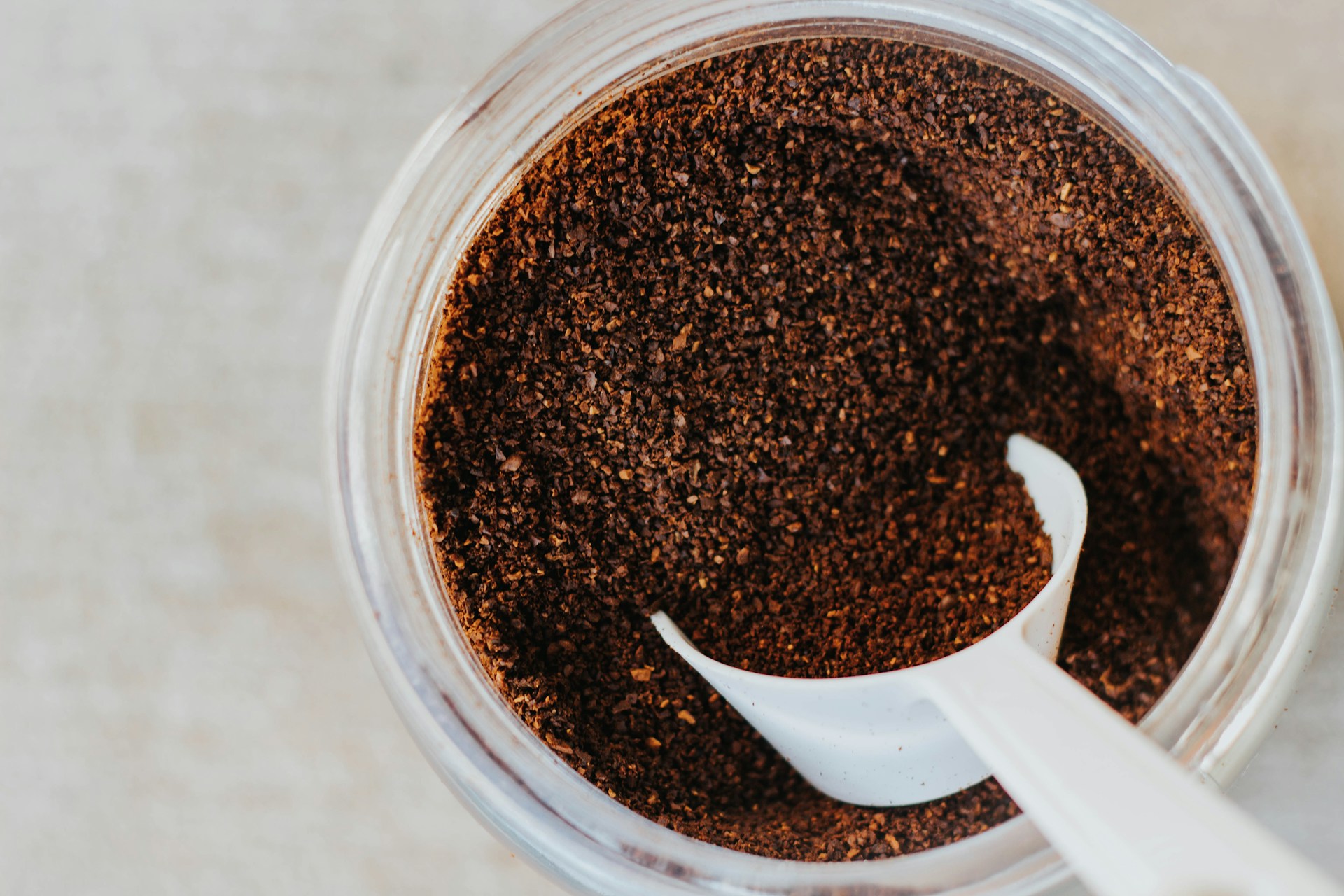
How to Compost Coffee Grounds: The Ultimate Guide for Your Garden

· 13 min read
Moore
Moore
Tech Writer, Meteorology Journalist, Gardening Lover

Introduction: Don't Throw Away Your Coffee Grounds

You've just brewed your morning cup of coffee. The aroma fills your kitchen, caffeine hits your bloodstream, and you're ready to conquer the day. Then you do what millions of people do: you scrape those used coffee grounds into the trash.

Stop right there.

You're throwing away one of the most valuable resources for your garden. With an estimated two billion cups of coffee consumed daily worldwide, that's a staggering amount of organic material heading to landfills. And when coffee grounds end up in landfills, they decompose anaerobically and release methane, a greenhouse gas 25 times more potent than carbon dioxide.

But here's the good news: learning how to compost coffee grounds is simple, rewarding, and transforms your morning habit into garden gold. Those humble brown specks contain nitrogen, potassium, phosphorus, and a host of micronutrients that plants crave.

In this comprehensive guide, we'll answer the burning question "are coffee grounds good for plants?" and show you exactly how to use them. From composting techniques to which coffee grounds plants love them most, you'll become a coffee ground guru by the time you finish your next cup.

How to compost coffee grounds

How to Compost at Home for Beginners: The Ultimate 2026 Guide

· 13 min read
Moore
Moore
Tech Writer, Meteorology Journalist, Gardening Lover

Introduction: Welcome to the World of "Black Gold"

Let me guess: You've got a banana peel in one hand, a coffee filter in the other, and absolutely no idea what to do with them besides tossing them in the trash. You've heard that composting is good for the planet, but the whole process seems mysterious—maybe even a little intimidating.

Here's the truth: Composting is just fancy recycling for food. Nature's been doing it for millions of years. A leaf falls, it rots, it becomes dirt. That's it. You're just helping the process along.

And the payoff? Gardeners call compost "black gold" for a reason. It turns sad soil into plant paradise, reduces your trash by up to 30%, and fights climate change by keeping methane out of landfills .

Whether you've got a backyard, a balcony, or just a kitchen counter, this beginner's guide will teach you how to compost at home step by step. We'll cover traditional methods, troubleshoot common problems, and even explore the best composter technology for those who want to cheat the system.

Ready to get your hands dirty? Let's dig in.

How to Compost at Home

How Long Can Chicken Stay in the Fridge? The Ultimate Guide to Safety, Spoilage, and Sustainable Disposal

· 14 min read
Moore
Moore
Tech Writer, Meteorology Journalist, Gardening Lover

Introduction: The Chicken Dilemma We've All Faced

It's Saturday afternoon. You open your refrigerator, and there it is—that package of chicken you bought on a whim earlier in the week. You stare at it. It stares back. The question forms in your mind: Is this still safe to eat?

You're not alone. Chicken is America's most popular protein, but it's also one of the most confusing when it comes to storage. One wrong guess, and you're either wasting money or risking a nasty case of food poisoning.

According to food safety experts, the stakes are real. The Centers for Disease Control and Prevention estimates that 1 in 6 Americans suffers from foodborne illness each year, with poultry being a common culprit when mishandled . But here's the good news: understanding a few simple rules about how long can chicken stay in the fridge can keep your family safe while saving you money.

In this comprehensive guide, we'll cover everything you need to know:

  • Exact timelines for raw and cooked chicken storage

  • Foolproof methods to tell if chicken has gone bad

  • The best way to compost bad chicken—turning waste into resources

Let's settle the chicken storage question once and for all.

How Long Can Chicken Stay In the Fridge

How to Reduce Odor: Practical Tips for Indoor Composting That Actually Work

· 12 min read
Moore
Moore
Tech Writer, Meteorology Journalist, Gardening Lover

Introduction: The Smell That Stops Composting Dreams

Let's be honest. You want to save the planet. You've read the statistics: 95% of food waste in the United States ends up in landfills, generating methane and accelerating climate change. You're ready to join the movement. You buy a cute little countertop bin, start tossing in banana peels and coffee grounds, and then... it happens.

The smell.

That sour, rotting odor that makes your kitchen feel like a dumpster. Your roommate gives you the look. Your partner suggests maybe composting "isn't for everyone." Suddenly, your eco-friendly aspirations are buried under a pile of shame and stench.

Here's the truth: Your indoor compost bin doesn't have to smell. Not even a little.

As a community composter in New York City recently noted, "I can't compost, I don't want my kitchen to get stinky" is the number one objection people have. And it's completely understandable—but also completely preventable.

This guide will teach you exactly how to compost at home without creating odors. Whether you're using a basic countertop collection bin or considering a high-tech solution, these practical tips will keep your kitchen fresh and your composting journey on track.

How to reduce odor when composting at home

How Long Can Ground Beef Stay In The Fridge

· 12 min read
Moore
Moore
Tech Writer, Meteorology Journalist, Gardening Lover

How Long Can Ground Beef Stay in the Fridge?

Ground beef is a staple in many cuisines, but keeping it safe and fresh requires knowing the limits. According to food safety experts, raw ground beef (hamburger) can only remain refrigerated at 40°F (4°C) or below for about 1–2 days.

Similarly, cooked ground beef should be eaten within 3–4 days. These guidelines come from official sources like FoodSafety.gov (U.S. Department of Health) and Health Canada, reflecting both U.S. and international standards. By following these limits, you minimize the growth of harmful bacteria (like E. coli and Salmonella) and ensure the meat’s freshness.

How Long Can Ground Beef Stay In the Fridge